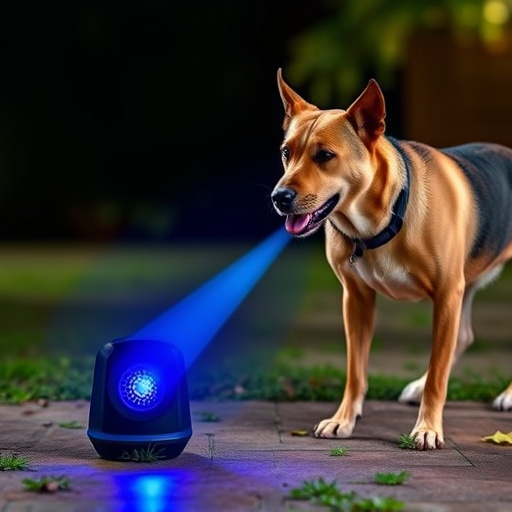
Dogs communicate through body language and vocalizations, but ultrasonic repellers offer a non-invasive solution for behavioral issues like barking or aggression. These devices emit inaudible sounds to dogs (25–64 kHz) while being safe and effective with proper training techniques, such as positive reinforcement and gradual desensitization. The Drop Proof Electronic Dog Repeller is a humane tool for behavior modification, guiding dogs without traditional punishment while ensuring pet and human safety.
“Unleash the power of behavior modification with canine ultrasonic systems, a game-changer for pet owners. This comprehensive guide explores innovative solutions to common dog behavior issues. We delve into the science behind drop-proof electronic dog repellers, offering a safe and effective approach to training.
Learn about understanding dog behavior, the mechanics of ultrasonic repelents, and practical training techniques to enhance system effectiveness. Discover real-world applications and essential safety precautions, ensuring a harmonious relationship with your furry companion.”
- Understanding Dog Behavior and Ultrasonic Repellents
- The Science Behind Drop-Proof Electronic Dog Repellers
- Training Techniques to Enhance System Effectiveness
- Real-World Applications and Safety Precautions
Understanding Dog Behavior and Ultrasonic Repellents
Dogs, much like humans, have unique personalities and behavior patterns that can vary greatly. Understanding their communication methods is essential for effective training and modification. Canines primarily express themselves through body language, vocalizations, and scent marking. Recognizing these cues is key to interpreting a dog’s needs and emotions, allowing owners to respond appropriately. For instance, a dog’s tail wagging can signal happiness or nervousness, depending on the context.
Ultrasonic systems, such as drop-proof electronic dog repellents, are designed to address specific behavioral issues. These devices emit high-frequency sounds that are inaudible to humans but can be irritating to dogs, encouraging them to avoid certain areas or behaviors. This method leverages a dog’s sensitivity to ultrasonic waves to modify their actions, especially when traditional training techniques may not be effective. The use of such repellents should always consider the well-being and overall health of the canine companion, ensuring they do not cause any discomfort or stress.
The Science Behind Drop-Proof Electronic Dog Repellers
The science behind drop-proof electronic dog repellers revolves around using ultrasonic sound waves to deter canine behavior issues like excessive barking or aggression. These devices emit high-frequency sounds, generally in the range of 25–64 kHz, which are inaudible to humans but uncomfortable for dogs. The principle is based on the fact that dogs, with their more sensitive hearing than humans, find these frequencies irritative, prompting them to stop the behavior that triggered the repeller.
Drop-proof electronic dog repellers are designed to be durable and weather-resistant, ensuring they can withstand outdoor conditions without failing or losing effectiveness. This feature is crucial as it allows for consistent application of the ultrasonic signal when training dogs in various environments. The devices often incorporate advanced technology like adjustable sensitivity settings and motion detectors to ensure precise activation, minimizing false triggers and enhancing their overall reliability.
Training Techniques to Enhance System Effectiveness
Training techniques play a pivotal role in enhancing the effectiveness of a canine behavior modification ultrasonic system, particularly when it comes to drop-proof electronic dog repellers. One key approach is positive reinforcement, where owners reward desired behaviors with treats or praise. This not only encourages the dog but also strengthens their association with the ultrasonic device as a positive experience rather than a deterrent.
Additionally, gradual desensitization is a powerful method. It involves exposing the dog to the ultrasonic signal at low intensity levels initially, allowing them to become accustomed to it without triggering an immediate reaction. As the dog learns to ignore the signal, the intensity can be gradually increased, making the system more effective over time. Consistency and patience are essential during this process, as each dog has its unique learning curve.
Real-World Applications and Safety Precautions
The canine behavior modification ultrasonic system, featuring a drop-proof electronic dog repeller, has found real-world applications in various settings. These innovative devices are employed to address common canine issues like excessive barking, aggression, and territorial behaviors. By emitting high-frequency sound waves, they guide dogs to modify their actions without resorting to traditional punishment methods. This approach is especially beneficial for pet owners seeking humane and effective solutions, ensuring a peaceful environment for both the dog and its surroundings.
Safety precautions are paramount when using these systems. It’s crucial to follow manufacturer guidelines strictly, including ensuring proper placement and orientation. The devices should be used responsibly, considering the well-being of pets and humans alike. Regular monitoring is essential to prevent any potential discomfort or unintended consequences, making them safe and effective tools for positive canine behavior modification.
The integration of canine behavior modification with ultrasonic systems, such as drop-proof electronic dog repellers, offers a modern approach to addressing unwanted behaviors. By understanding dog behavior and leveraging scientific principles behind these devices, pet owners can effectively train their pets while ensuring safety. Combining these methods allows for a comprehensive solution, making them valuable tools for managing canine conduct in various real-world settings. When used responsibly, drop-proof electronic dog repellers can be a game-changer in enhancing the harmony between humans and their four-legged companions.